

10月 4, 2026
金融リテラシーは個人を正式な銀行システムに引き入れることができるのでしょうか?
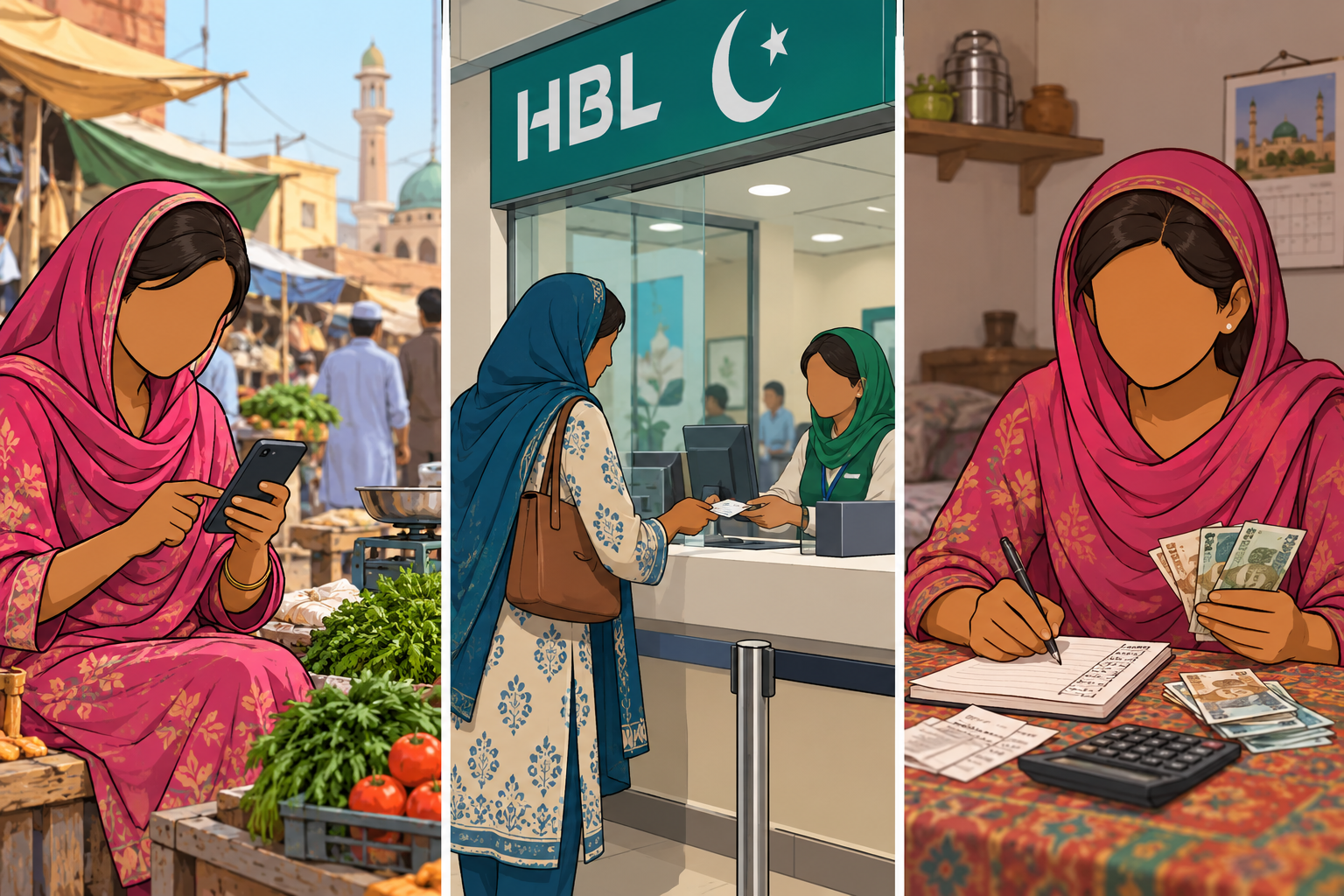
パキスタンの金融リテラシー率の低いという最近の報告書が私の目を引きました。報告書は因果関係の経過を明確に示していませんが、著者たちは興味深い疑問を提起しています。金融リテラシーの向上が実際に経済的な個人を正式な銀行システムに押し込むことができるのか(Rauf と Ali 2026)。パキスタンでは特に金融リテラシー水準が低いです。世界銀行グローバルFindexデータベース2025のデータによると、パキスタンの成人のうち正式な銀行口座を持っていないのはわずか18%です。パキスタンの銀行口座におけるジェンダーギャップも非常に顕著で、正式な銀行口座を持つ女性はわずか9.5%にとどまっています。
Dupas と Robinson (2013)の有名な論文によると、ケニアの研究プロジェクトに参加した女性たちは貯蓄口座を持つことで大きな恩恵を受けています。口座は比較的高額な手数料でしたが、口座を持つことで外部の影響や盗難からお金を守ることができました。世界中で異なる一方で、これは世界中の多くの女性が特に低コストまたは無コストで貯蓄口座を持つことで恩恵を受けることを示唆しています。
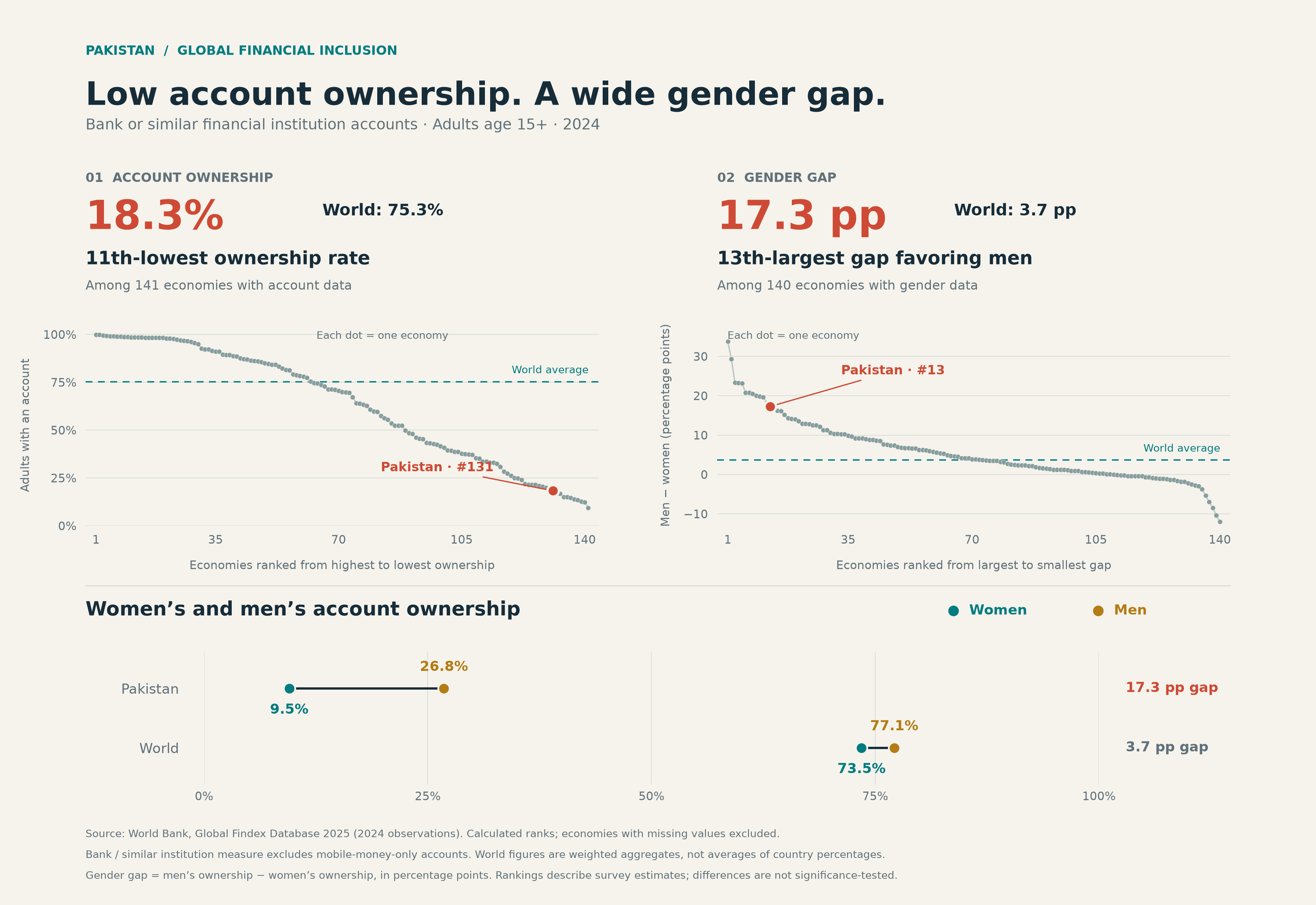
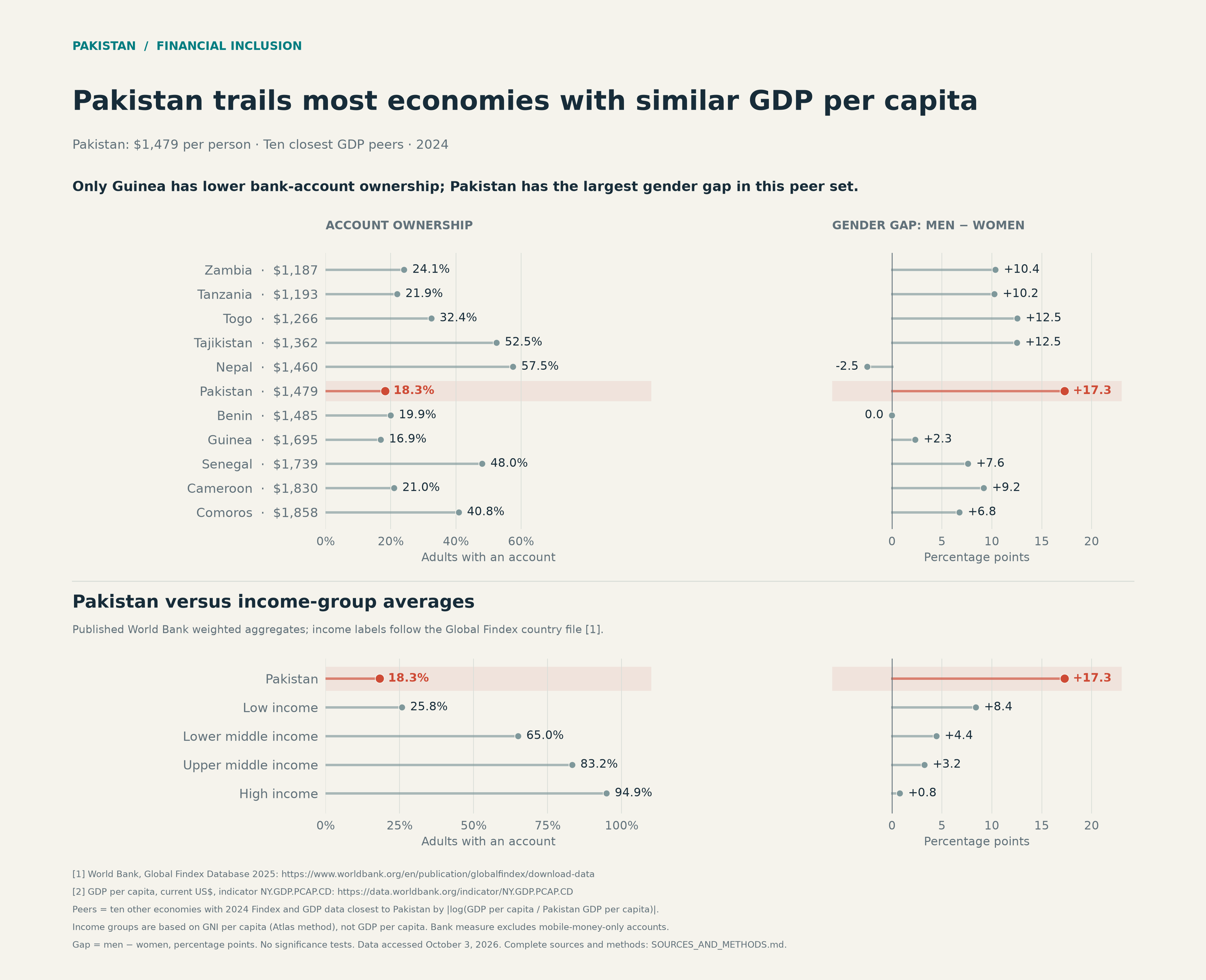
これにより、パキスタンの女性だけでなく、すべてのパキスタン国民の金融知識の成長の余地が大きく残されています。そこでDollar Scholarsが役立ちます。Dollar Scholarのレッスンやウェブサイトはすでにウルドゥー語で利用可能です。ウルドゥー語はパキスタン全土で話されており、パキスタンの公用語でもありますが、他にも言語的少数派が存在します。
しかし、金融リテラシーの向上は人々を銀行システムに引き込むことができるのでしょうか?この問題について考え、正式な銀行システムに関する研究文献を見ると、銀行やその他の金融機関への信頼の低さや手数料が高いことも、個人の銀行口座開設や利用動機を下げることがわかります。簡単に言えば、銀行の利用者にとって利便性も価格も重要であり、金融教育だけでなく (Karlan ほか。 2014; Cole ほか。 2011)。とはいえ、これらすべては金融教育とうまく組み合わさっています。
今後も、正式な銀行口座へのアクセス方法を学ぶために多くの人々が助けを必要とするでしょう。Dollar Scholarsはなくなるわけではないので、個人、金融教育、正式な銀行業務の関係について引き続きこの問いを追及していきます。パキスタンの報告書の著者に連絡を取り、情報や経験を共有し、研究や成人向け金融教育プロジェクトでの協力も検討する予定です。
参考文献
- Ashraf, Nava, Dean Karlan, and Wesley Yin. 2006. “Tying Odysseus to the Mast: Evidence from a Commitment Savings Product in the Philippines.” The Quarterly Journal of Economics 121 (2): 635–672. https://doi.org/10.1162/qjec.2006.121.2.635.
- Cole, Shawn, Thomas Sampson, and Bilal Zia. 2011. “Prices or Knowledge? What Drives Demand for Financial Services in Emerging Markets?” The Journal of Finance 66 (6): 1933–1967. https://doi.org/10.1111/j.1540-6261.2011.01697.x.
- Dupas, Pascaline, Dean Karlan, Jonathan Robinson, and Jonathan Zinman. 2018. “Banking the Unbanked? The Costs and Benefits of Expanding Access to Basic Accounts in Three Countries.” Journal of Development Economics 134: 257–271. https://doi.org/10.1016/j.jdeveco.2018.05.003.
- Dupas, Pascaline, and Jonathan Robinson. 2013. “Savings constraints and microenterprise development: Evidence from a field experiment in Kenya.” American Economic Journal: Applied Economics 5 (1): 163–192. https://www.econstor.eu/bitstream/10419/64527/1/60087690X.pdf.
- Karlan, Dean, Amil A. Ratan, and Jonathan Zinman. 2014. “Savings by and for the Poor: A Research Review and Agenda.” Review of Economics and Statistics 96 (1): 36–42. https://doi.org/10.1162/REST_a_00401.
- Natural Earth. 日付不明。. “Admin 0 – Countries.” Geospatial dataset, scale 1:50 million. https://www.naturalearthdata.com/downloads/50m-cultural-vectors/50m-admin-0-countries-2/.
- Rauf, Usama Abdul, and Rafia Ali. 2026. “Shrinking the Shadow Economy: How Financial Inclusion Can Shrink the Shadow Economy.” Knowledge Brief 2026: 143. Pakistan Institute of Development Economics (PIDE). https://file.pide.org.pk/pdfpideresearch/kb-143-shrinking-the-shadow-economy-how-financial-inclusion-can-shrink-the-shadow-economy.pdf.
- World Bank. 2025. “Global Findex Database 2025: Country-Level Data.” Dataset. https://www.worldbank.org/en/publication/globalfindex/download-data.
- World Bank. 日付不明。. “World Development Indicators: GDP per Capita (Current US$).” Dataset. https://data.worldbank.org/indicator/NY.GDP.PCAP.CD.