

十月 4, 2026
金融素养能否将非正规部门企业和工人带入正规经济?
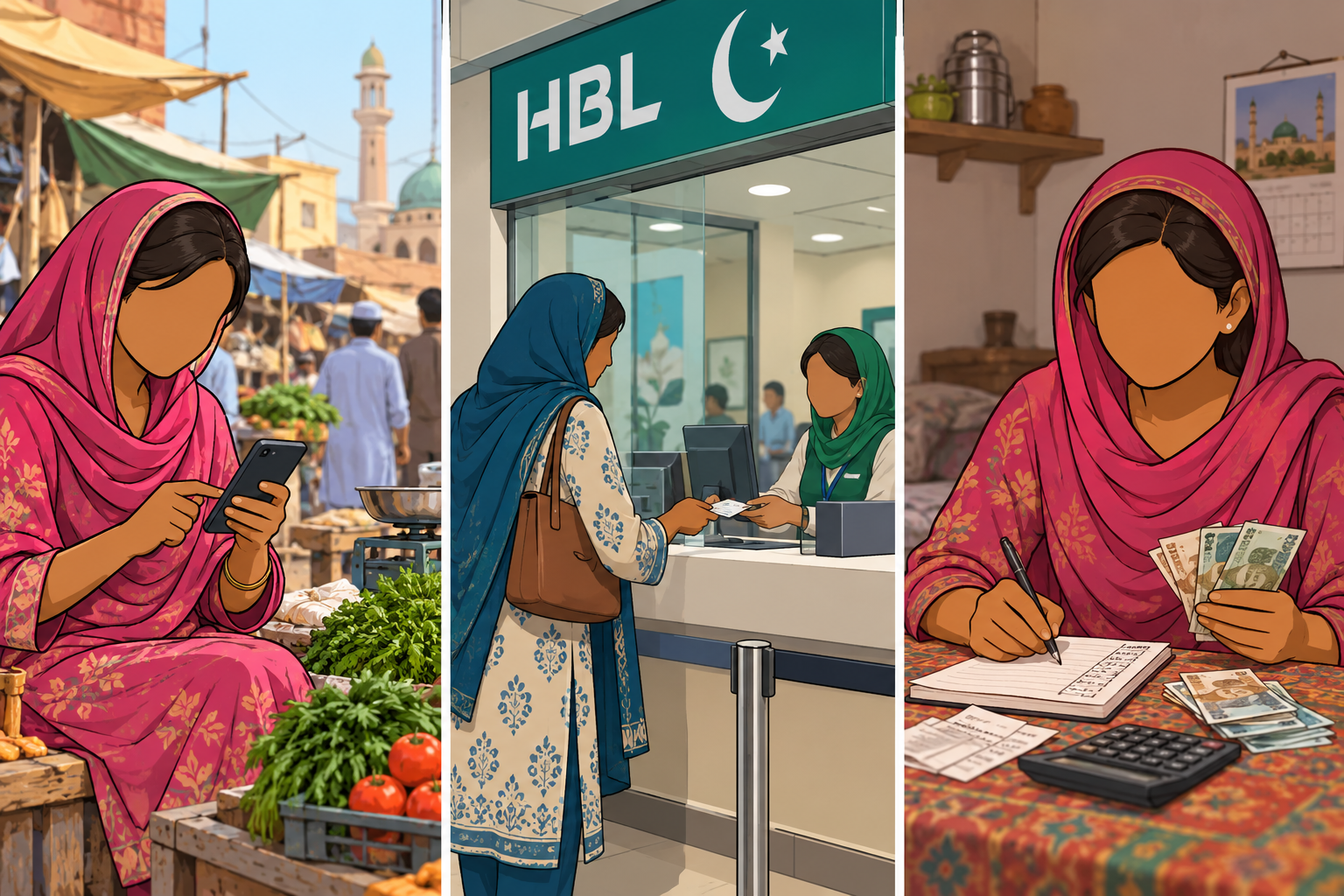
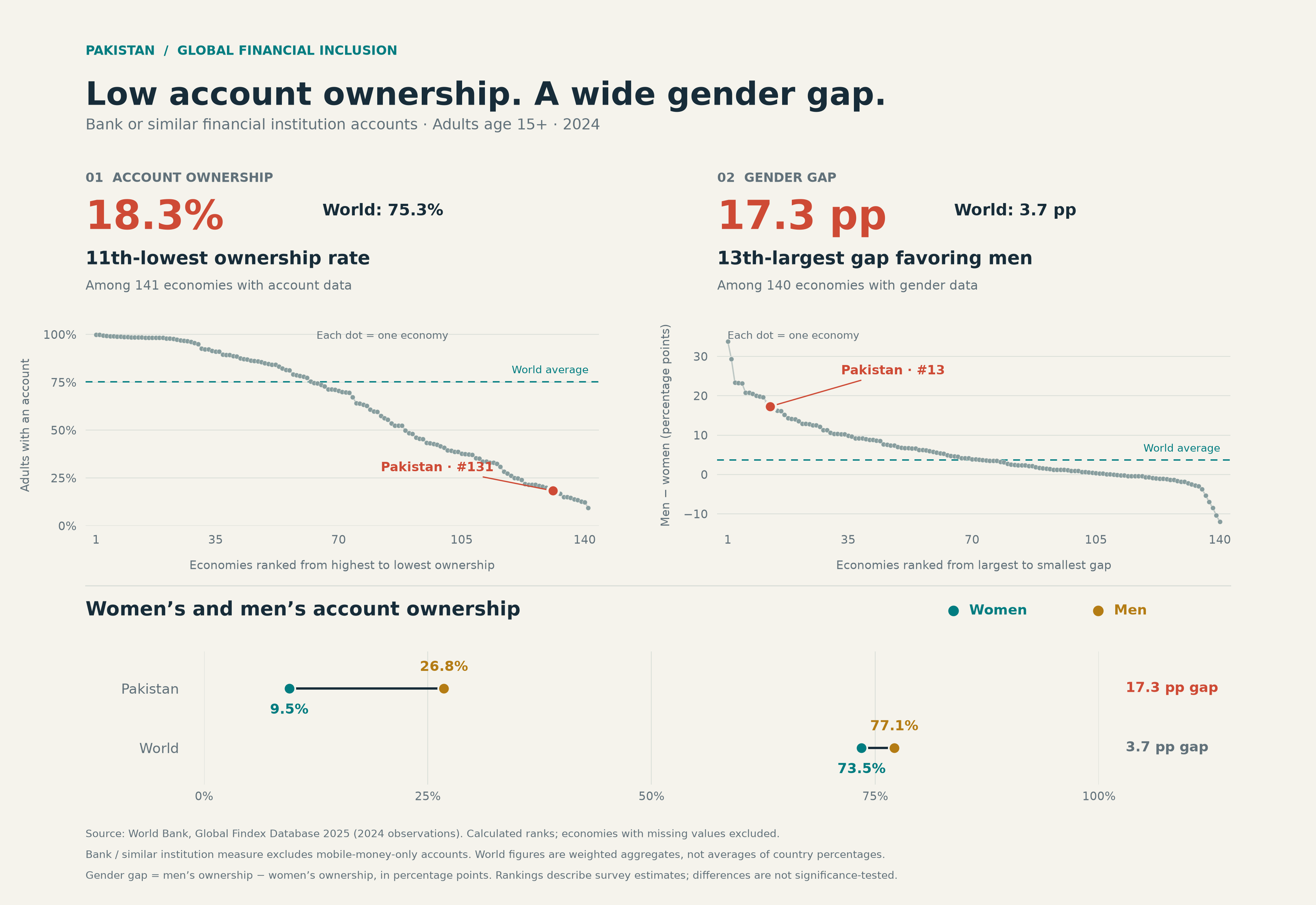
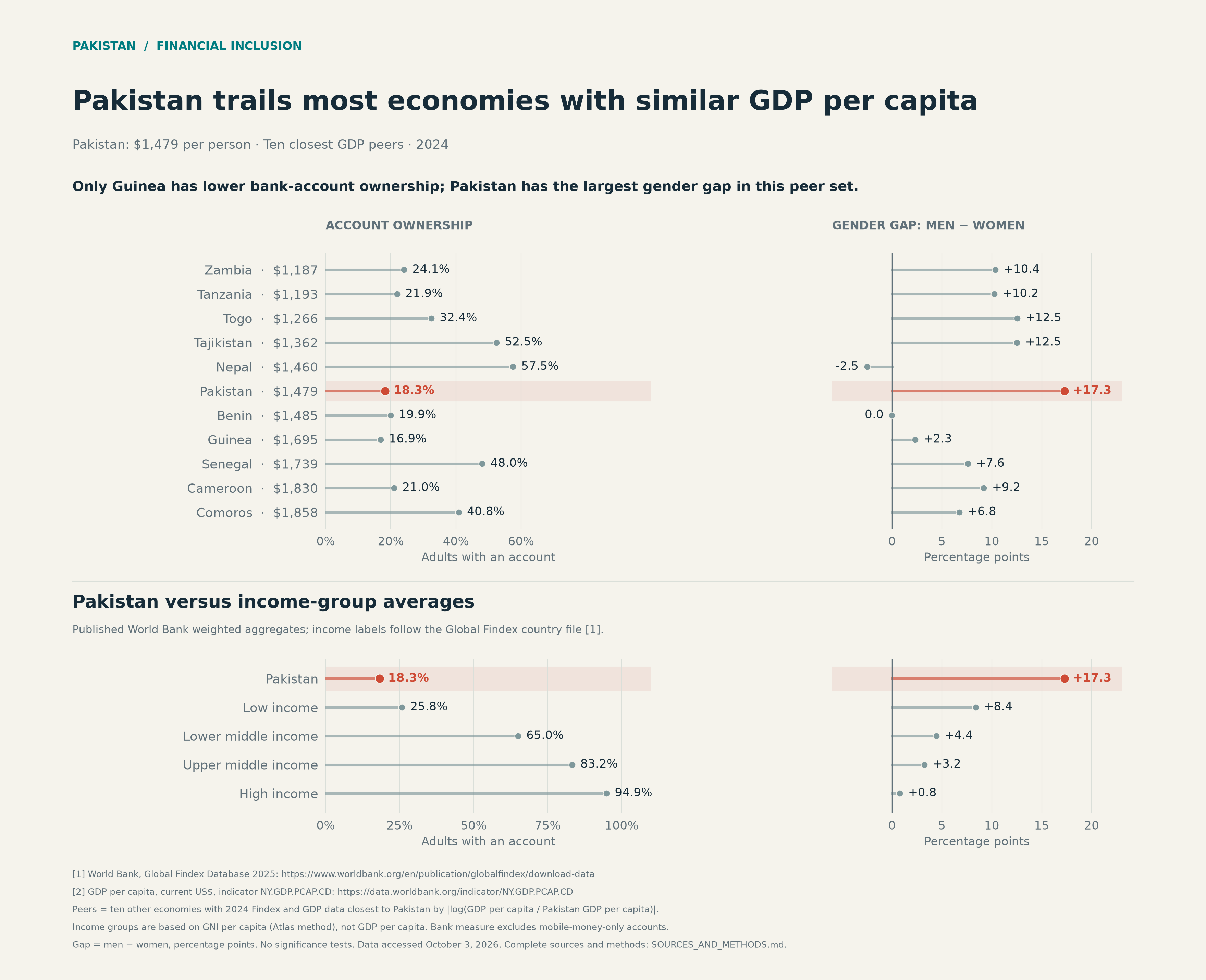
巴基斯坦最近一份关于其金融素养率低的报告引起了我的注意。虽然报告未详细说明因果路径,但作者提出了一个有趣的问题:提升金融素养是否真的能将经济活动从非正规发展转变为正式的经济(Rauf 和 Ali 2026)?在巴基斯坦,金融素养水平尤其偏低。根据世界银行全球金融指数数据库2025年数据,只有18%的巴基斯坦成年人没有正式银行账户。巴基斯坦银行账户中的性别差距也非常明显,只有9.5%的女性拥有正式银行账户。
Dupas 和 Robinson (2013)的一篇著名论文显示,女性从储蓄账户中受益匪浅。拥有账户有助于保护她们的资金免受外部影响和盗窃。根据研究,显然世界上许多女性会从储蓄账户中受益,尤其是低成本或免费的。
这为所有巴基斯坦人民的金融知识留下了很大的成长空间,而不仅仅是巴基斯坦女性。这正是Dollar Scholars发挥作用的地方。Dollar Scholar的课程和网站已经提供乌尔都语版本,乌尔都语是巴基斯坦全国通用的语言,也是巴基斯坦的官方语言,尽管还有其他语言少数群体。
但提升金融素养能否促使企业从非正规转向正规?或者让工人从非正规就业转向正规就业?通常,教育与选择正规或非正规部门工作有关。金融素养作为正规/非正规职业选择的直接因素尚未被检验。不过,不难想象,与税收相关的更高金融素养可能成为个人或企业从非正规经济活动转向正规经济活动的动力。关于非正规部门经济,确实有大量文献。David McKenzie等人努力评估可能导致企业或个人参与非正规经济而非正规经济的原因。有关该主题的进一步阅读,请参阅下方参考文献。
未来,关于非正规部门的问题仍将存在许多。美元学者不会消失,因此我们将继续推动金融教育与非正规部门与正规部门员工及企业之间关系的问题。我们计划与巴基斯坦的报告作者联系,合作并分享信息。
参考文献
- Benhassine, Najy, David McKenzie, Victor Pouliquen, and Massimiliano Santini. 2018. “Does Inducing Informal Firms to Formalize Make Sense? Experimental Evidence from Benin.” Journal of Public Economics 157: 1–14. https://doi.org/10.1016/j.jpubeco.2017.11.004.
- Bruhn, Miriam. 2011. “License to Sell: The Effect of Business Registration Reform on Entrepreneurial Activity in Mexico.” The Review of Economics and Statistics 93 (1): 382–386.
- Campos, Francisco, Markus Goldstein, and David McKenzie. 2023. “How Should the Government Bring Small Firms into the Formal System? Experimental Evidence from Malawi.” Journal of Development Economics. https://doi.org/10.1016/j.jdeveco.2022.103045.
- de Mel, Suresh, David McKenzie, and Christopher Woodruff. 2013. “The Demand for, and Consequences of, Formalization among Informal Firms in Sri Lanka.” American Economic Journal: Applied Economics 5 (2): 122–150. https://doi.org/10.1257/app.5.2.122.
- Dupas, Pascaline, and Jonathan Robinson. 2013. “Savings constraints and microenterprise development: Evidence from a field experiment in Kenya.” American Economic Journal: Applied Economics 5 (1): 163–192.
- Monteiro, Joana C. M., and Juliano J. Assunção. 2012. “Coming out of the Shadows? Estimating the Impact of Bureaucracy Simplification and Tax Cut on Formality in Brazilian Microenterprises.” Journal of Development Economics 99 (1): 105–115. https://doi.org/10.1016/j.jdeveco.2011.10.002.
- Natural Earth. 无日期。. “Admin 0 – Countries.” Geospatial dataset, scale 1:50 million. https://www.naturalearthdata.com/downloads/50m-cultural-vectors/50m-admin-0-countries-2/.
- Rauf, Usama Abdul, and Rafia Ali. 2026. “Shrinking the Shadow Economy: How Financial Inclusion Can Shrink the Shadow Economy.” Knowledge Brief 2026: 143. Pakistan Institute of Development Economics (PIDE). https://file.pide.org.pk/pdfpideresearch/kb-143-shrinking-the-shadow-economy-how-financial-inclusion-can-shrink-the-shadow-economy.pdf.
- Rocha, Rudi, Gabriel Ulyssea, and Laísa Rachter. 2018. “Do Lower Taxes Reduce Informality? Evidence from Brazil.” Journal of Development Economics 134: 28–49. https://doi.org/10.1016/j.jdeveco.2018.04.003.
- Ulyssea, Gabriel. 2018. “Firms, Informality, and Development: Theory and Evidence from Brazil.” American Economic Review 108 (8): 2015–2047. https://doi.org/10.1257/aer.20141745.
- World Bank. 2025. “Global Findex Database 2025: Country-Level Data.” Dataset. https://www.worldbank.org/en/publication/globalfindex/download-data.
- World Bank. 无日期。. “World Development Indicators: GDP per Capita (Current US$).” Dataset. https://data.worldbank.org/indicator/NY.GDP.PCAP.CD.