

November 2, 2026
Protips to avoid scams by Talon Wilde! (v1)
Written by Talon Wilde

At Dollar Scholars we want to highlight financial scams as a significant threat to both businesses and individuals. When we spend more and more time online, we are exposed to ads, scams, and points of vulnerability where we share our credit card, social security number, and other important personal information.
The 2025 FBI IC3 Internet Crime Report shows that 2025 losses hit a record $20.9 billion, up 26% from 2024, across 1,008,597 complaints. This is the first year complaints passed one million. Investment fraud, mostly crypto, was the largest category at $8.6B, more than 40% of all losses. AI-related scams were counted for the first time: 22,364 complaints and about $893M in losses (Federal Bureau of Investigation 2026).
Protecting your personal information on the internet is a critical component of managing your finances in the modern world. Here are a couple of tips that I think are useful:
Tip 1
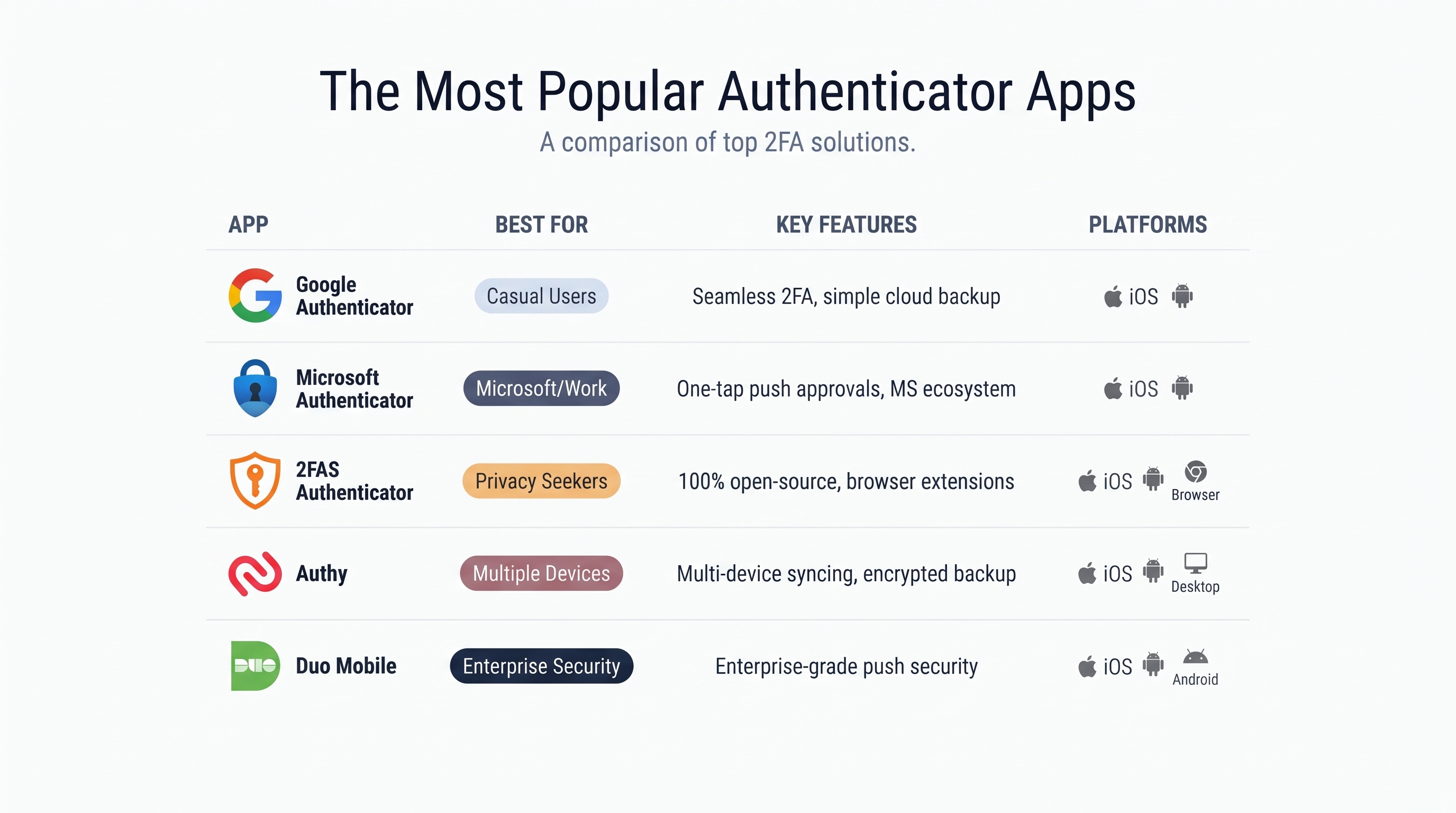
While it may seem frustrating at first, aim to use multi-factor authentication (MFA) wherever possible. You may see or be encouraged by institutions to use this already, but if you are unfamiliar multifactor authentication pairs a device you own such as your mobile phone or your laptop to an account as a safety check to ensure it is you logging in. Several apps are popular for this service such as Google Authenticator, Microsoft Authenticator, Duo, and more. You can also get codes sent to your email, phone, and any way you could have that additional check that it is you.
Tip 2
Limit saving card numbers. Oftentimes at checkout a website may ask or even pre-checkmark a box to save your card number for future purchases. While this may seem convenient, websites may implement it as a way to reduce friction between you and future purchases. This could also be a target of malicious activity from hackers setting their sights on that database. To limit your number and personal information from being breached or floating around on the dark web we highly recommend aiming to store as little information as possible.
Tip 3
We also need to discuss the topic of personal information, also known as “Personally Identifiable Information” or “PII.” PII includes any information that can identify someone as a specific person and can be a name, ID number, email, phone number, address, IP address or anything that can be traced back to them. There are organizations around that operate on the buying and selling of this information called “Data Brokers,” which can impact how your finances are tracked. This has led to personally targeted price increases on costs like automotive or health insurance (Norwood 2024). Using ad-blockers, the European Union’s General Data Protection Regulation (GDPR) opt-out, or services like the California DROP which forces data brokers to delete your data every 45 days can help reduce your presence without your consent.

Tip 4
It is also important to touch on the methods malicious individuals might use to gain access to your financial data and extract what they can. Usually this goes by fraudulent ads either saying “You Won!” or “Your computer is hacked!” and then requiring some sort of payment to complete your “verification” or “buying” the fix. Ad-blockers are one of the most straightforward solutions to this behind only your awareness and reason.
The most important thing is recognizing vulnerabilities and when others might attempt to gain your information. Lastly, something you can do to get a pulse on your digital safety is to request a copy of your data from the companies you use the most such as Facebook or Google. You might be surprised at what they collect, infer, and sell, so inform yourself on their process when you have the time. Whether it involves using FBI data or our own ScamDB reports, we plan to continue to track and educate individuals from all backgrounds about the prevailence of scams, and what scams may be prevailent at any particular time. Stay tuned for more cyber-security tips as we have them for you!
References
- Federal Bureau of Investigation. 2026. “Cryptocurrency and AI Scams Bilk Americans of Billions.” Press Release. https://www.fbi.gov/news/press-releases/cryptocurrency-and-ai-scams-bilk-americans-of-billions.
- Norwood, Morgan. 2024. “What you need to know about OnStar Smart Driver data being shared with LexisNexis, insurance companies.” ABC7 News. https://abc7news.com/post/driver-data-onstar-smart-car-insurance-companies/14516634/.